
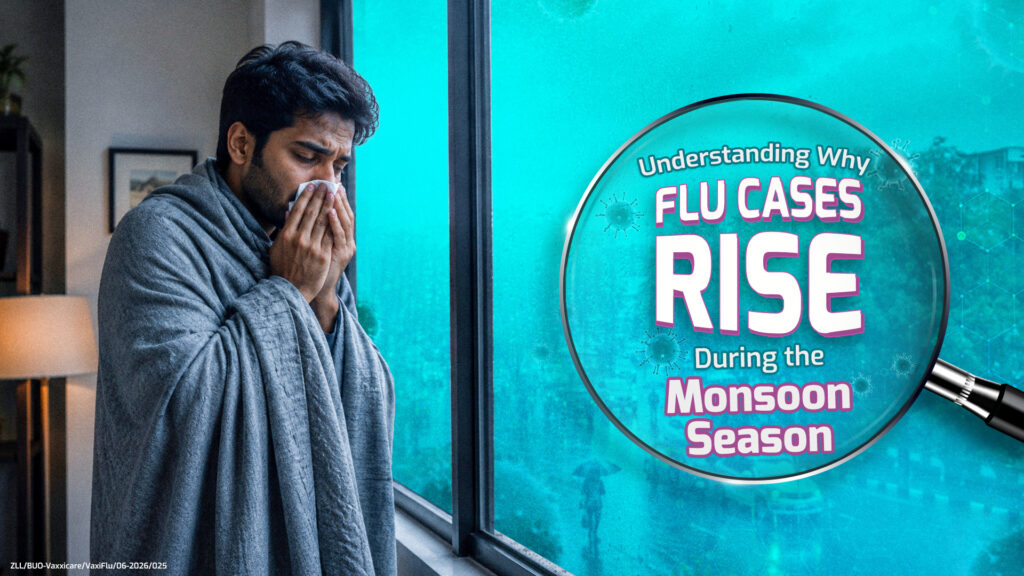
Why Do Flu Cases Increase During Monsoon in India? Causes & Risks Explained
The arrival of the monsoon in India brings cooler weather, hot cups of chai, and relief from the summer heat. But along with the rain comes something less pleasant: a sharp rise in flu cases. Many people notice that coughs, fevers, body aches, sore throats, and runny noses have become more common during this season. If you’ve ever wondered why the flu increases in monsoon season, you’re not alone.
The rainy season creates the perfect environment for viruses to spread more easily. Increased humidity, waterlogging, indoor crowding, poor ventilation, and fluctuating temperatures all contribute to the rise in infections. Understanding the patterns that cause flu during the rainy season can help people take better precautions and protect themselves and their families.
Influenza, commonly known as the flu, is a contagious respiratory illness caused by influenza viruses.1 It spreads mainly through droplets released when an infected person coughs, sneezes, or talks.2 During monsoon, these conditions become more favourable for viral transmission, which is one of the major reasons why flu increases in monsoon across many parts of India.
What Happens During the Monsoon That Increases Flu Cases?
One of the biggest flu causes that experts talk about is the change in environmental conditions during the rainy season. The monsoon brings damp weather, stagnant water, and high moisture levels in the air. These conditions may allow viruses and germs to survive longer on surfaces and in crowded indoor spaces.
At the same time, people tend to spend more time indoors during heavy rainfall. Offices, schools, public transport, and malls become crowded with limited ventilation, making it easier for respiratory infections to spread from person to person.
Another reason why flu increases in monsoons is sudden temperature variation. Moving between humid outdoor weather and cold indoor air conditioning can affect the body’s natural defense mechanisms, especially in people with weaker immunity.
Common Flu Symptoms During the Rainy Season
Many people confuse flu with a common cold, but flu symptoms are usually more intense and appear suddenly.3
Common symptoms include:
- Fever or chills
- Body pain and fatigue
- Sore throat
- Dry cough
- Runny or blocked nose
- Headache
- Weakness
In some cases, people may also experience nausea or digestive discomfort.
One important concern is that people often ignore early symptoms, assuming it is “just seasonal weather”. Delaying care may increase the chances of spreading the infection to others at home or work.
Why Humidity and Indoor Crowding Matter
Humidity plays an interesting role in respiratory infections. During monsoons, moisture levels rise significantly, especially in densely populated cities. Combined with poor ventilation, this can increase exposure to viruses in enclosed environments.
Crowded spaces are another major factor explaining why flu increases during monsoons. Schools reopen, offices function normally despite heavy rains, and public transport becomes packed during downpours. When infected individuals cough or sneeze in these settings, flu viruses can spread quickly through respiratory droplets.2
This is one of the most common flu causes researchers and doctors observe every year in India.
Weak Immunity During Seasonal Changes
Seasonal transition can also impact immunity. Lack of sunlight, irregular eating habits, poor sleep, and exposure to infections during travel can weaken the body’s defense system.
People who already have lower immunity are more vulnerable during this period. According to the World Health Organization, WHO, older adults, young children, pregnant women, and people with certain medical conditions are at higher risk of flu-related complications.4
This explains why the flu increases in monsoons more severely among certain groups compared to others.
Who Is at Higher Risk During Monsoon?
While anyone can catch the flu, some people are more likely to experience serious illnesses. These include:
- Children below 5 years
- Adults above 60 years
- Pregnant women
- People with asthma, diabetes, or heart disease
- Individuals with weakened immunity
For these groups, understanding flu causes becomes especially important because complications may sometimes lead to hospitalization.
According to health experts, flu can sometimes worsen existing medical conditions such as asthma, diabetes, or heart disease.3
Is Every Fever During Monsoon the Flu?
Not necessarily. The monsoon is also associated with other infections such as dengue, malaria, viral fever, and typhoid. However, flu usually affects the respiratory system and spreads more rapidly among people in close contact.
Doctors in India have also observed rising cases of multiple infections during monsoon seasons in recent years.5 This makes timely diagnosis important.
One reason why flu awareness during monsoon matters is because people often self-medicate without identifying the actual infection. If symptoms persist for several days, medical advice should be taken.
Simple Ways to Reduce Flu Risk During Monsoon
Although monsoons increase infection risk, a few healthy habits can make a big difference.
-
Wash Your Hands Frequently
Hand hygiene is one of the simplest ways to reduce flu transmission. Wash hands regularly with soap and water, especially after travelling or touching public surfaces.
-
Avoid Close Contact with Sick Individuals
Since the flu spreads through droplets, avoiding close exposure can help lower the risk.2
-
Improve Indoor Ventilation
Keeping windows slightly open when possible and ensuring airflow indoors may help reduce viral spread.
-
Maintain Strong Immunity
Eat balanced meals, stay hydrated, sleep well, and avoid excessive junk food during monsoon.
-
Cover Coughs and Sneezes
Using tissues or covering the mouth while coughing can reduce transmission.
-
Stay Updated on Flu Vaccination
Health organizations including the WHO recommend annual flu vaccination for better protection against seasonal influenza, especially for high-risk individuals.4
Final Thoughts
The monsoon may bring relief from the heat, but it also creates favourable conditions for viral infections to spread. High humidity, indoor crowding, weakened immunity, and seasonal changes all contribute to why flu increases in monsoons across India.
The good news is that simple precautions can significantly reduce risk. Understanding the major flu causes and rainy season trends can help you protect yourself and your loved ones throughout the season.
So, the next time the rain arrives, enjoy the weather but don’t ignore your health. A little awareness and prevention can go a long way in staying protected during flu season.
References
- CDC – About Influenza, Flu
- CDC – How Flu Spreads
- CDC – Key Facts About Influenza
- WHO India – Influenza, Seasonal
- Times of India – Doctors Warn of Rising Dual Infections During Monsoon